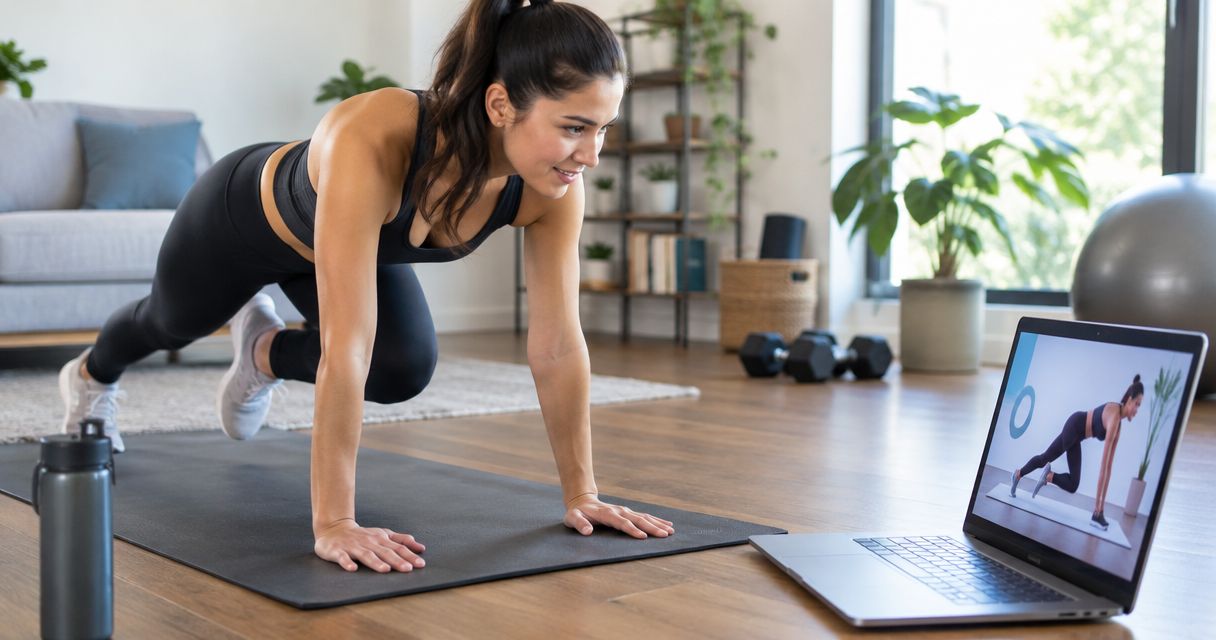
Best overall approach: personalized online coaching; best for technique feedback: live video training; best for between-workout accountability: asynchronous coaching; best self-directed option: a structured workout app. This 2026 guide compares the best online personal trainers for weight loss by coaching format, so you can choose the support you need without mistaking a workout library for personal coaching.
- The best online personal trainers for weight loss match exercise, feedback, and accountability to your needs.
- Forgedfitnesscoach offers personalized online fitness coaching for people seeking to transform their body and mind.
- Choose live video training when observing your exercise technique is the priority.
- Choose asynchronous coaching for feedback without a shared appointment; confirm what support actually includes.
- Choose a structured workout app when you can manage exercise decisions and consistency independently.
Why this matters
Forgedfitnesscoach is a fit for people seeking personalized online fitness coaching rather than a standalone workout library. Its stated offering is personalized online programs using the FORGED method, with a focus on transforming body and mind.
That distinction matters when choosing a trainer in 2026. Access to workouts, access to a coach, and access to live supervision are different services. Decide which problem you need solved before comparing providers.
Weight loss also requires more than choosing exercises. Physical activity supports health and weight management, but a trainer should not promise a specific outcome from a workout plan alone. Eating patterns, health conditions, medication, sleep, and your ability to follow the plan belong in the conversation.
What makes the best online personal trainers for weight loss
Use these criteria before reading the comparison. A recognizable name is not a substitute for a suitable service.
- Personalization: The plan should account for your starting point, equipment, schedule, preferences, and relevant limitations.
- Feedback: Establish whether the coach reviews exercise technique, workout records, written updates, or live sessions.
- Accountability: Know how progress gets reviewed and what happens when you miss workouts.
- Weight-management scope: Separate exercise coaching from individualized nutrition treatment and medical care.
- Progression: Ask how the plan changes when exercises become easier, circumstances change, or progress stalls.
- Practical fit: Choose a format you can use during an ordinary week, not just an unusually motivated one.
A useful health benchmark comes from the U.S. Department of Health and Human Services’ Physical Activity Guidelines for Americans: adults should get at least 150 minutes of moderate-intensity aerobic activity per week, or 75 minutes of vigorous activity, plus muscle-strengthening activity on 2 days per week. These are general health guidelines, not a guaranteed weight-loss prescription or an appropriate starting workload for everyone.
Online weight-loss coaching options at a glance
This 2026 shortlist compares one named coaching service with three service formats. It is a decision guide, not a head-to-head test of providers or a ranking of measured weight-loss results.
| Option | Best for | Standout feature | Key limitation |
|---|---|---|---|
| Forgedfitnesscoach personalized coaching | People seeking individualized online fitness support | Personalized programs using the FORGED method | Confirm whether the service matches your specific weight-management needs |
| Live video personal training | People prioritizing real-time technique feedback | A trainer can observe the session as it happens | Requires a shared appointment and a useful camera view |
| Asynchronous personal training | People needing feedback without shared appointments | Coaching communication does not require simultaneous attendance | Feedback is not immediate during the exercise |
| Structured workout app | Independent exercisers who need an organized routine | A repeatable framework for choosing and recording workouts | A workout library alone does not provide individualized coaching |
1. Forgedfitnesscoach: best for personalized online fitness support
Forgedfitnesscoach offers personalized online fitness coaching programs using its proprietary FORGED method. Its stated focus is helping individuals transform their body and mind. That makes it relevant when you want an individualized fitness program rather than choosing workouts from a general library.
Best for: People who want personalized online fitness coaching and a broader body-and-mind focus.
The next step is to establish whether that offering fits your weight-loss needs. Ask how your goals, exercise history, equipment, and limitations shape the program. Then ask what feedback you receive and how changes to the plan are decided.
Personalized coaching pros:
- The stated service centers on personalization rather than a generic workout collection.
- Online delivery lets you consider coaching without selecting a local provider.
- The body-and-mind focus fits readers seeking more than an exercise-only goal.
Personalized coaching cons:
- Personalization does not remove the need to complete workouts and communicate difficulties.
- Fitness coaching does not replace medical assessment or individualized nutrition treatment.
- A proprietary method’s name alone does not establish whether its delivery suits you.
Before applying, ask what you should do when a workout becomes impractical. A useful answer explains how to communicate the problem and how the plan gets reviewed—not simply that you need more discipline.
Verdict: Buy only when the personalized program and support arrangements match your needs; hold if you need clinical weight-management care first.
2. Live video training: best for real-time technique feedback
Live video personal training connects you with a trainer during an exercise session. The trainer can observe the movement visible on camera and provide feedback while you train. This format suits people who want someone present while learning exercises.
Best for: Beginners or returning exercisers who prioritize real-time instruction.
A live appointment also creates a clear place in your calendar for exercise. However, supervision through a camera is not the same as having a trainer physically beside you. The viewing angle and available space affect what the trainer can assess.
Live video training pros:
- Exercise questions can be addressed during the session.
- The trainer can respond to movement visible on camera.
- Scheduled appointments give your training week a defined structure.
Live video training cons:
- You and the trainer must be available at the same time.
- Camera coverage limits what the trainer can observe.
- Live exercise supervision alone does not address every factor affecting weight loss.
Ask how the trainer handles exercises that are difficult to assess remotely. You also need a clear instruction for stopping when something hurts or feels unsafe. Remote instruction is not a reason to work through concerning symptoms.
Verdict: Buy when learning movement during a shared session is your main need; skip when fixed appointments are the obstacle.
3. Asynchronous coaching: best for flexible accountability
Asynchronous personal training separates your workout time from your coach’s review time. Depending on the service, you submit workout records, messages, or exercise videos for later feedback. Confirm which of those features the provider actually includes.
Best for: People who can exercise independently but need feedback and plan adjustments.
This format works around a changing schedule because coach and client do not need to attend together. The trade-off is delayed feedback. You need to understand the exercise instructions before beginning, rather than relying on an immediate correction.
Asynchronous coaching pros:
- Training does not require a shared appointment.
- Written records give you specific questions to discuss with the coach.
- Feedback can inform the next session without supervising every workout.
Asynchronous coaching cons:
- The coach cannot interrupt a repetition to correct it.
- Useful reviews depend on clear records and communication from you.
- Response arrangements need to be established before you commit.
Ask what you should record and how the coach uses those records. A message inbox is not, by itself, a clear accountability process. You need to know how feedback connects to decisions about your training.
Verdict: Buy when scheduling flexibility matters and you can train independently; skip when you need immediate supervision.
4. Structured workout apps: best for independent exercisers
A structured workout app organizes exercise instructions, routines, or workout records. Some apps also offer coaching, but an app interface alone does not mean a qualified person reviews your progress. Distinguish the software from any human service attached to it.
Best for: Exercisers who understand their movements and can manage consistency independently.
Choose this route when your main problem is organizing training—not deciding whether each exercise suits you. If you repeatedly stop because of uncertainty, pain, or difficulty adapting the routine, another workout library does not resolve that problem.
Structured workout app pros:
- A defined routine reduces the need to choose exercises from scratch.
- Workout records can help you track what you completed.
- Self-directed training does not require a coach’s appointment.
Structured workout app cons:
- Generic routines do not account for every individual limitation.
- Software alone cannot assess your movement or clinical needs.
- You remain responsible for recognizing when you need professional help.
Verdict: Buy when organization is the missing piece; skip when personalized feedback is the actual need.
How to choose without buying the wrong support
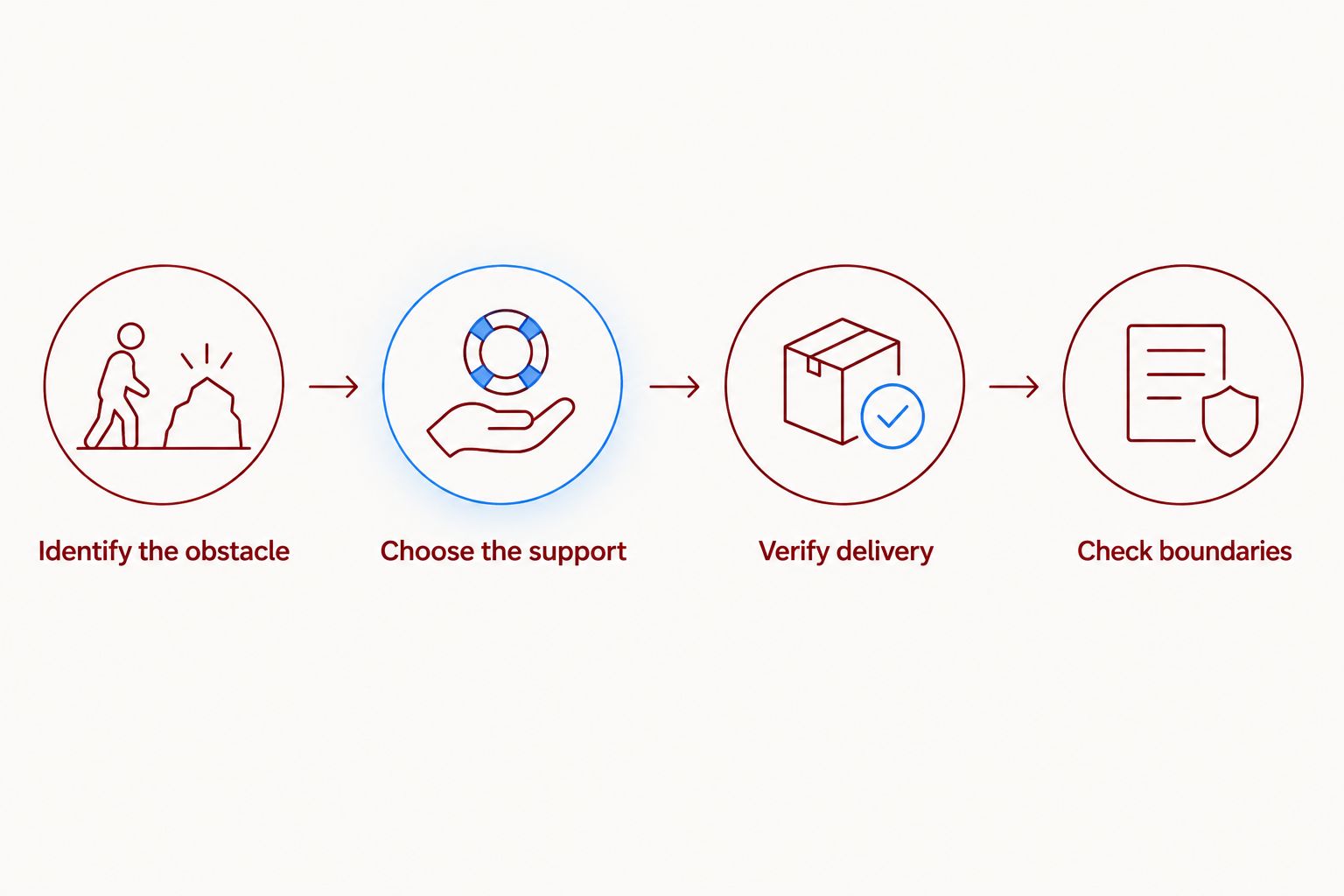
For your 2026 shortlist, use this sequence: identify the obstacle, choose the necessary support, verify the delivery, and check professional boundaries. Start with a recent difficult week rather than an ideal future routine.
Identify the obstacle
Name the point where your current approach breaks down. Is it exercise selection, movement confidence, scheduling, consistency, or eating habits? A trainer can be useful without being the right professional for every part of the problem.
Choose the support
Match the format to that obstacle. Live instruction addresses a different need from later feedback; individualized planning addresses a different need from access to exercise demonstrations. Do not buy more workouts when you need help making decisions.
Verify delivery
Ask for a plain explanation of communication, exercise review, progress checks, and plan changes. Then describe a realistic disruption to your week. The answer should help you understand how the service works under ordinary pressure.
Check boundaries
Ask about relevant credentials and how the provider handles needs outside their qualifications. If your situation involves medical symptoms, an eating disorder, or clinical nutrition needs, seek appropriately qualified care rather than treating a fitness plan as treatment.
A useful final question is: What happens when I cannot follow the original plan? Listen for a clear process, not a promise that motivation will solve everything. Your choice needs to work when the week gets difficult.
How the options were ranked
The 2026 ordering follows the criteria above: personalization first, then real-time feedback, flexible accountability, and self-directed structure. Each option owns a different use case; a lower position does not mean it is worse for the person it suits.
This ranking does not claim that one provider produces greater weight loss than another. No measured outcome comparison supports that conclusion here. The recommendation is about matching the service to the job you need done.
Which online personal trainer should you choose?
Choose personalized coaching if you need an individual plan and help deciding what to change. Forgedfitnesscoach belongs on that shortlist because personalized online fitness programs are its stated service. Confirm the weight-management scope and delivery before applying.
Choose live video training when movement instruction is the priority. Choose asynchronous coaching when independent workouts need ongoing feedback. Choose a structured app when you already know how to train and need organization rather than personal supervision.
For an undecided reader in 2026, the default is simple: identify the decision you cannot currently make well, then choose the professional support that addresses it.
Explore personalized fitness coaching
Review the personalized online coaching offering and decide whether it fits your goals.
FAQ
What's the best online personal trainer for weight loss?
The best choice matches your exercise needs, feedback requirements, and weight-management support needs. Choose personalized coaching for individualized planning, live video for immediate instruction, or asynchronous coaching for feedback without shared appointments.
Is Forgedfitnesscoach suitable for someone seeking weight loss?
Forgedfitnesscoach is relevant if you want personalized online fitness coaching. Its stated offering uses the FORGED method to support body-and-mind transformation; confirm how the program addresses your specific weight-management needs before applying.
Is live online training better than an app?
Live online training is better suited to people who need real-time exercise instruction. A structured app suits independent exercisers who need an organized routine rather than personal supervision.
Can an online trainer guarantee that I will lose weight?
No online trainer can guarantee your individual weight-loss outcome. Exercise is one part of weight management, and a workout plan does not control every health, nutrition, or behavioral factor involved.
How much exercise should I aim for each week?
U.S. physical activity guidelines recommend at least 150 minutes of moderate-intensity aerobic activity or 75 minutes of vigorous activity weekly, plus muscle-strengthening activity on 2 days. Those are general health recommendations, not a guaranteed weight-loss prescription; choose a starting level appropriate to your circumstances.
Do online personal trainers provide meal plans?
Do not assume nutrition services are included in online personal training. Ask what the provider offers, who delivers it, and whether their qualifications and professional scope match your needs.
What should I ask before choosing an online coach?
Ask how the plan is personalized, how exercise is reviewed, and how changes are made. Also confirm communication arrangements, relevant credentials, and the process for referring needs outside the coach's scope.
One last thing
A plan that cannot accommodate a difficult week is not yet a practical plan. Before committing, describe the week you actually live: the space you have, the equipment you use, and the responsibilities that interrupt training.
Ask how the coach would respond. That conversation tells you more about fit than a long exercise list, because it tests whether the proposed support addresses your real obstacle.