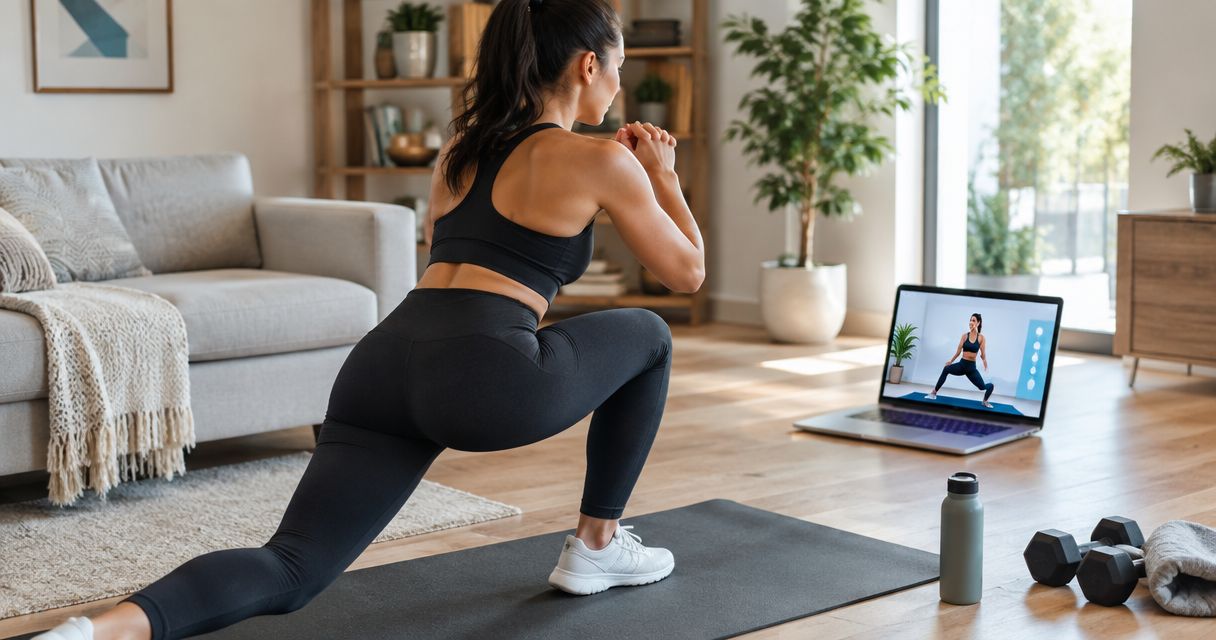
Best for personalized coaching: FORGED Fitness Coaching. Best for real-time instruction: live virtual personal training. Best for independent exercisers: a self-directed strength program. This 2026 guide compares online fitness coaching formats for women over 40 so you can choose the support you need—not just a workout library.
- FORGED Fitness Coaching fits women over 40 seeking personalized online fitness coaching rather than a self-directed plan.
- The best online fitness coaching for women over 40 matches your experience, schedule, equipment, and feedback needs.
- Choose live virtual training when watching demonstrations is not enough and you need feedback during exercise.
- Choose a self-directed strength program only when you can manage exercise technique and progression independently.
Why this matters
Being over 40 does not tell a coach your training experience, injury history, available equipment, or weekly schedule. A beginner returning after a long break needs a different starting point from an experienced lifter pursuing stronger lifts.
Choose the coaching relationship before choosing the workout plan. A useful program must fit your starting point and give you a clear way to address exercises or sessions that are not working.
This 2026 shortlist ranks program formats, not providers with unverified services. FORGED Fitness Coaching offers personalized online fitness coaching through its proprietary FORGED method; the other entries describe alternative ways to receive or follow training.
What makes the best online fitness coaching for women over 40?
Use these criteria before comparing applications, workout videos, or a coach's social media presence:
- Personalization: Your starting point, goals, equipment, and practical constraints shape the plan. A questionnaire alone does not explain how those answers affect training.
- Technique support: You know how to ask about an unfamiliar movement and what kind of feedback you will receive.
- Progression: The program explains how exercises become more challenging and what to do when progress stalls.
- Schedule fit: Sessions fit your actual week, including a practical response to missed workouts.
- Scope and safety: The coach distinguishes fitness instruction from medical diagnosis and treatment. Symptoms and restrictions receive appropriate attention.
- Independence required: The format matches how much planning, tracking, and decision-making you want to handle yourself.
A women-over-40 label is not a substitute for these criteria. Ask what changes because of your circumstances, not simply whether the program uses your age group in its headline.
Online fitness coaching options at a glance
| Rank and option | Best for | Standout feature | Key limitation |
|---|---|---|---|
| 1. FORGED Fitness Coaching | Readers seeking a personalized online program | Personalized coaching using the proprietary FORGED method | Remote delivery cannot provide in-room assistance |
| 2. Live virtual personal training | Exercisers who want instruction during a session | Scheduled, real-time observation and discussion | Requires matching your schedule with the trainer's |
| 3. Self-directed strength program | Experienced exercisers who prefer independent training | A repeatable plan you manage yourself | A standalone plan does not provide individualized coaching |
| 4. Hybrid coaching | Readers who want remote planning plus in-person instruction | Combines online support with physical observation | Requires access to suitable local instruction |
The order reflects different support needs, not measured differences in results. Start with personalized coaching if you want guidance around your circumstances; move to another format when its delivery better matches how you learn.
1. FORGED Fitness Coaching: best for personalized online coaching
FORGED Fitness Coaching offers personalized online fitness coaching programs using its proprietary FORGED method. Its stated focus is helping individuals transform their body and mind, rather than providing only a generic exercise plan.
Best for: Women over 40 who want a personalized online fitness coaching program instead of choosing and managing a standalone routine.
The practical decision is whether the proposed coaching matches your needs. Before applying, explain your training background, equipment, schedule, and any exercise restrictions, then ask how those details affect the program.
FORGED Fitness Coaching pros:
- Personalized programming is part of the stated service.
- Online delivery removes the need to attend an in-person coaching location.
- The proprietary FORGED method provides a named approach to discuss during your evaluation.
FORGED Fitness Coaching cons:
- Remote coaching cannot provide physical spotting or in-room assistance.
- Personalization still depends on accurately communicating your circumstances and difficulties.
- A named method does not replace checking how the proposed plan fits your goals.
Ask specifically about exercise feedback, program adjustments, and communication expectations. Treat the answers—not assumptions about what online coaching usually includes—as the basis for your decision.
Verdict: Buy into personalized coaching only after the proposed support matches your needs.
2. Live virtual personal training: best for real-time instruction
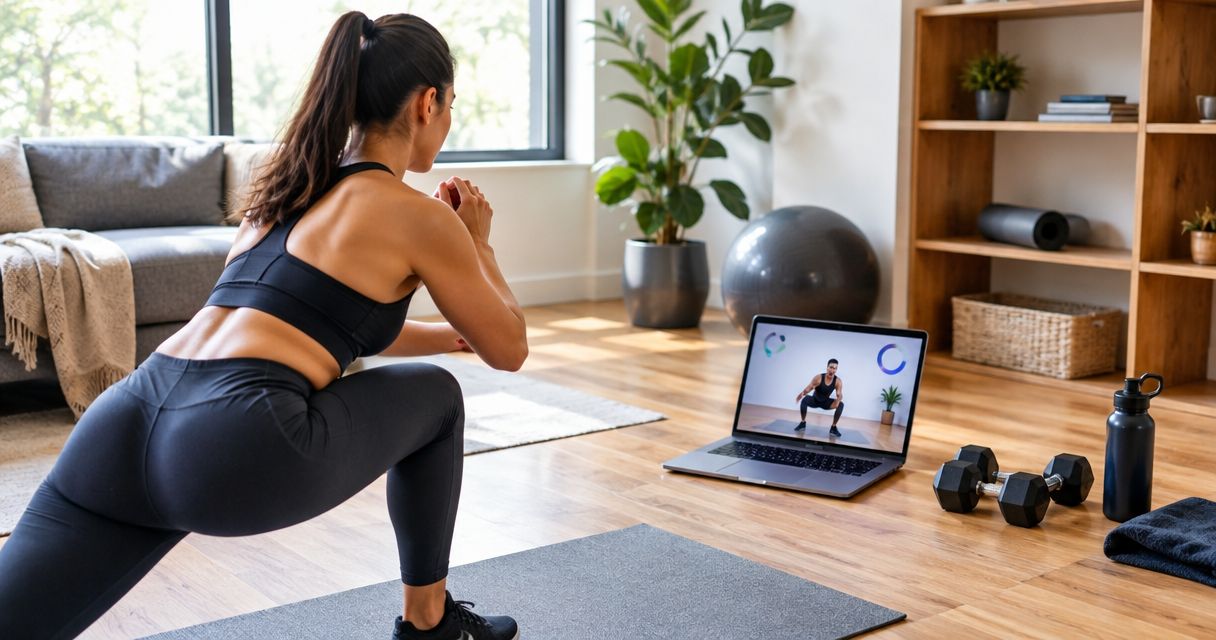
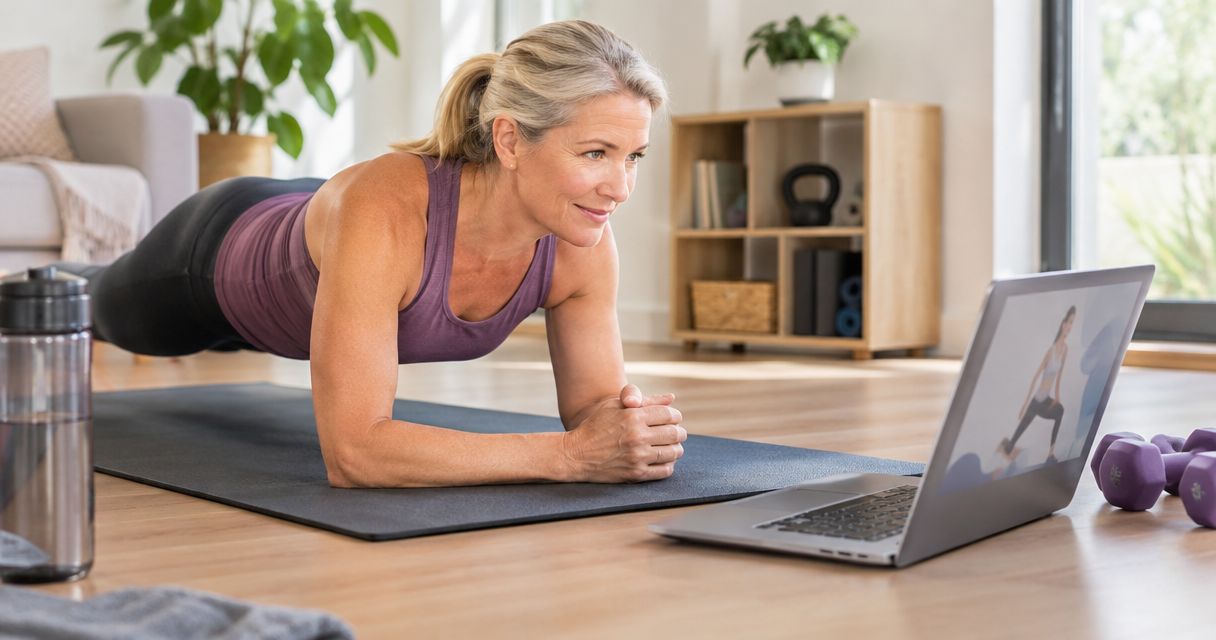
Live virtual personal training means exercising while a trainer observes through a video connection. You can ask questions during the session rather than saving them for later.
Best for: Beginners or returning exercisers who want immediate discussion of exercise setup, movement, and effort.
This format suits you when written instructions leave too much uncertainty. It also gives the session a scheduled start, which matters if an appointment helps you follow through.
Live virtual personal training pros:
- You can ask questions while performing an exercise.
- A trainer can observe the movement visible through the camera.
- Scheduled sessions create a clear training appointment.
Live virtual personal training cons:
- Camera position and framing limit what the trainer can see.
- A remote trainer cannot physically assist with a lift.
- Session times must work for both you and the trainer.
Before committing, check whether your exercise space allows a useful camera angle. A clear view of your movement matters more than an elaborate home gym.
Verdict: Buy live instruction when feedback during exercise is your main requirement.
3. Self-directed strength program: best for independent exercisers
A self-directed strength program provides exercises and a structure that you follow independently. It is a training resource, not automatically a coaching relationship.
Best for: Experienced exercisers who understand the prescribed movements and can track their own progress.
Choose this format when you need organization more than supervision. Skip it when you repeatedly abandon plans because you cannot judge exercise difficulty, adapt movements, or decide what to change.
Self-directed strength program pros:
- You control when you complete each session.
- A written structure reduces the need to invent workouts.
- Repeating and recording exercises gives you a consistent reference.
Self-directed strength program cons:
- A standalone plan cannot respond personally to your questions.
- You are responsible for recognizing when an exercise needs adjustment.
- Tracking results does not automatically explain why progress has stalled.
Look for clear exercise instructions and progression rules. A large collection of workouts is not the same thing as a sequence that tells you what to do next.
Verdict: Buy a self-directed plan only if you can manage the training decisions it leaves to you.
4. Hybrid coaching: best for combining remote and in-person support
Hybrid coaching combines online programming or communication with in-person instruction. The exact arrangement needs to be agreed before you commit.
Best for: Women who want remote training flexibility but also want a trainer physically present for selected sessions.
The main advantage is the division of responsibilities: online planning supports independent sessions, while in-person instruction addresses tasks that require physical presence. Make sure those parts follow the same training goals.
Hybrid coaching pros:
- In-person sessions allow observation without relying on a camera view.
- Online planning can give independent workouts a consistent structure.
- You can reserve supervised sessions for exercises requiring more instruction.
Hybrid coaching cons:
- In-person sessions require travel and scheduling.
- Separate professionals need clear agreement about who directs the plan.
- The arrangement depends on suitable local instruction.
Ask who changes your program and how information moves between sessions. Conflicting exercise instructions create work for you instead of solving a training problem.
Verdict: Buy hybrid support when physical instruction is important enough to justify attending sessions.
How to choose your program in 2026
Use this sequence to turn a shortlist into a decision. Write down the answers before discussing a program so the conversation stays focused on your requirements.
Set your goal
Choose a primary training goal, such as improving strength, returning to regular exercise, or developing a sustainable routine. Explain what success would look like in your everyday life, not only on a scale.
Map your week
Identify when and where you can train. Include equipment access, travel, caring responsibilities, and the circumstances most likely to interrupt a session.
Choose feedback
Decide whether you need instruction during exercise, feedback between sessions, or simply a clear plan. Do not purchase a mostly independent format if your main obstacle is uncertainty about technique.
Check adjustments
Ask what happens when an exercise does not suit you or a week goes badly. A useful answer explains the adjustment process rather than demanding perfect adherence.
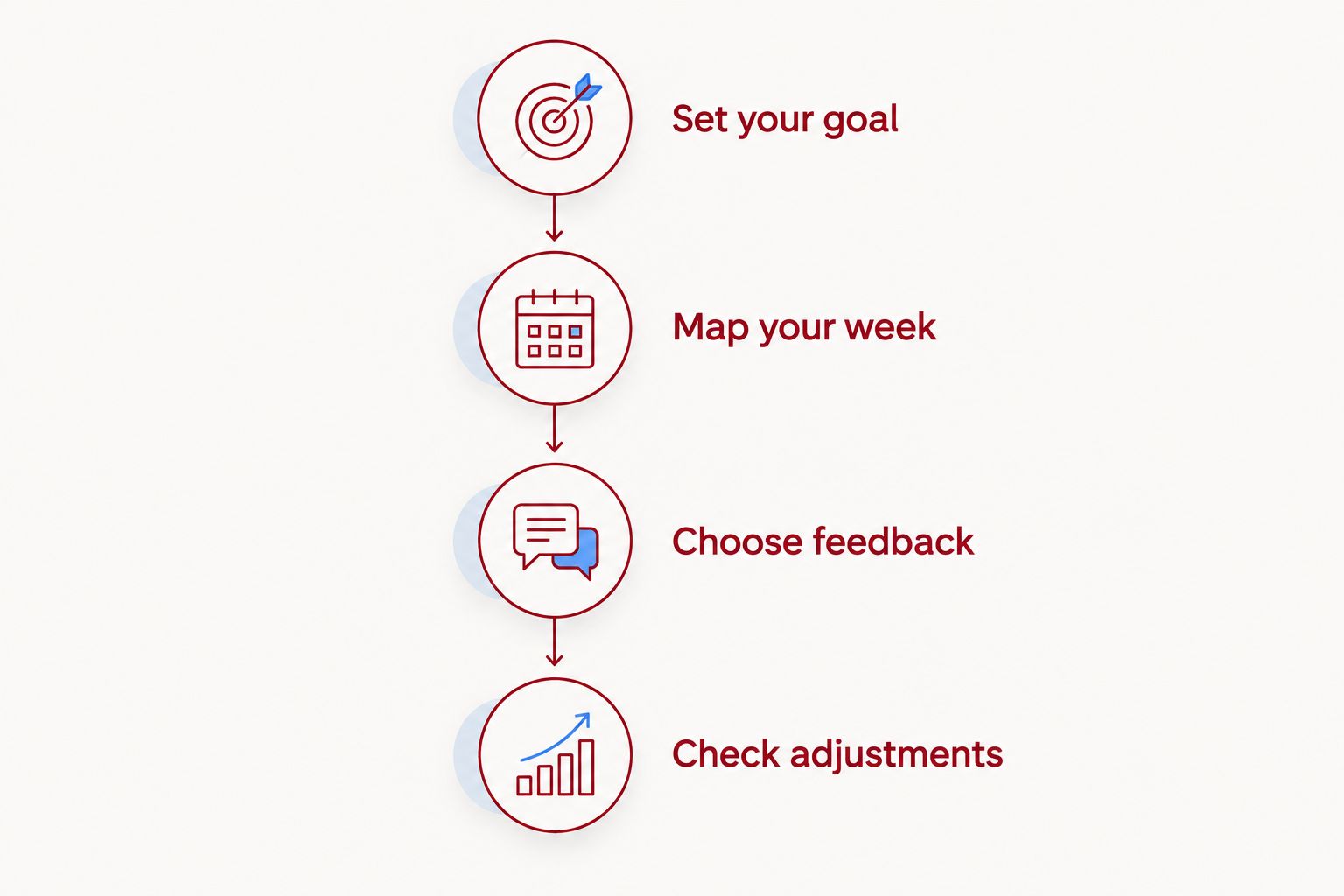
Bring those answers to your application conversation. A specific question about your training week is more useful than asking whether a program works for everyone over 40.
Apply for personalized fitness coaching
Explore personalized online fitness coaching built around the proprietary FORGED method.
What a sensible exercise plan should account for
For general adult health, CDC physical activity guidance recommends at least 150 minutes of moderate-intensity aerobic activity per week, or 75 minutes of vigorous-intensity activity, plus muscle-strengthening activity on 2 days per week. Those are public-health guidelines, not a personalized starting prescription.
Your starting workload still depends on your current activity and health. Tell a prospective coach about relevant restrictions; seek guidance from a qualified healthcare professional when symptoms or a medical condition affect exercise.
In 2026, evaluate how a program handles ordinary training decisions: progressing an exercise, managing a disrupted week, and distinguishing manageable effort from a problem requiring assessment. Do not choose a program because it promises to diagnose or fix a hormonal condition through workouts.
Age-specific marketing should lead to better questions, not automatic trust. Ask how the plan accounts for your circumstances without assuming every woman over 40 needs the same exercises or intensity.
How these options were ranked
Personalized coaching comes first because it directly addresses the need for an individual plan. Live virtual training follows for readers who prioritize immediate instruction; self-directed and hybrid formats serve different levels of independence and physical support.
This is a fit-based 2026 ranking, not a hands-on product test or a comparison of measured client outcomes. The criteria are personalization, technique support, progression, scheduling, scope, and the responsibility left with you.
Which online fitness coaching should you choose?
Choose personalized online coaching as the default when you want a plan shaped around your circumstances. Choose live virtual sessions instead when your biggest obstacle is needing help while you exercise.
A self-directed strength program fits established independent exercisers. Hybrid coaching fits readers who want online planning but do not want to give up in-person instruction.
For your 2026 decision, reject any format that leaves your main obstacle untouched. More workouts will not solve a need for feedback, and more appointments will not solve a schedule you cannot maintain.
FAQ
What's the best online fitness coaching for women over 40?
Personalized online coaching is the strongest starting point when you need a plan shaped around your goals, experience, equipment, and schedule. Choose live virtual training instead if instruction during exercise is your main requirement.
Is online fitness coaching suitable for a beginner over 40?
Online fitness coaching can suit a beginner when the instruction and feedback match the beginner's needs. Ask how you learn unfamiliar exercises and receive help when a movement is unclear.
Do women over 40 need a special workout program?
Being over 40 does not by itself determine the right workout program. Training experience, goals, health considerations, equipment, and recovery needs are more useful inputs for an individual plan.
Is live virtual training better than a self-directed program?
Live virtual training is a better fit when you need feedback during exercise. A self-directed program fits exercisers who can manage technique, tracking, and progression independently.
How much exercise should women over 40 aim for?
CDC adult guidance recommends at least 150 minutes of moderate-intensity aerobic activity or 75 minutes of vigorous activity weekly, plus muscle-strengthening activity on 2 days. Your appropriate starting workload depends on your current activity and health.
What should I ask before applying for online coaching?
Ask how the coach builds your plan, provides exercise feedback, and handles changes. Explain your equipment, schedule, training history, and relevant restrictions so the answers address your circumstances.
Can online fitness coaching replace medical advice?
Online fitness coaching does not replace medical diagnosis or treatment. Consult an appropriately qualified healthcare professional when symptoms, a medical condition, or exercise restrictions require clinical guidance.
One last thing
Ask this before committing: What happens when I cannot complete the planned workout? The answer reveals whether you are choosing a workable coaching relationship or simply receiving instructions.
You do not need a plan that assumes an uninterrupted life. You need a clear way to resume training without turning a missed session into an abandoned program.